Canterbury Cathedral
Celebrating 1,400 years of faith, history and pilgrimage
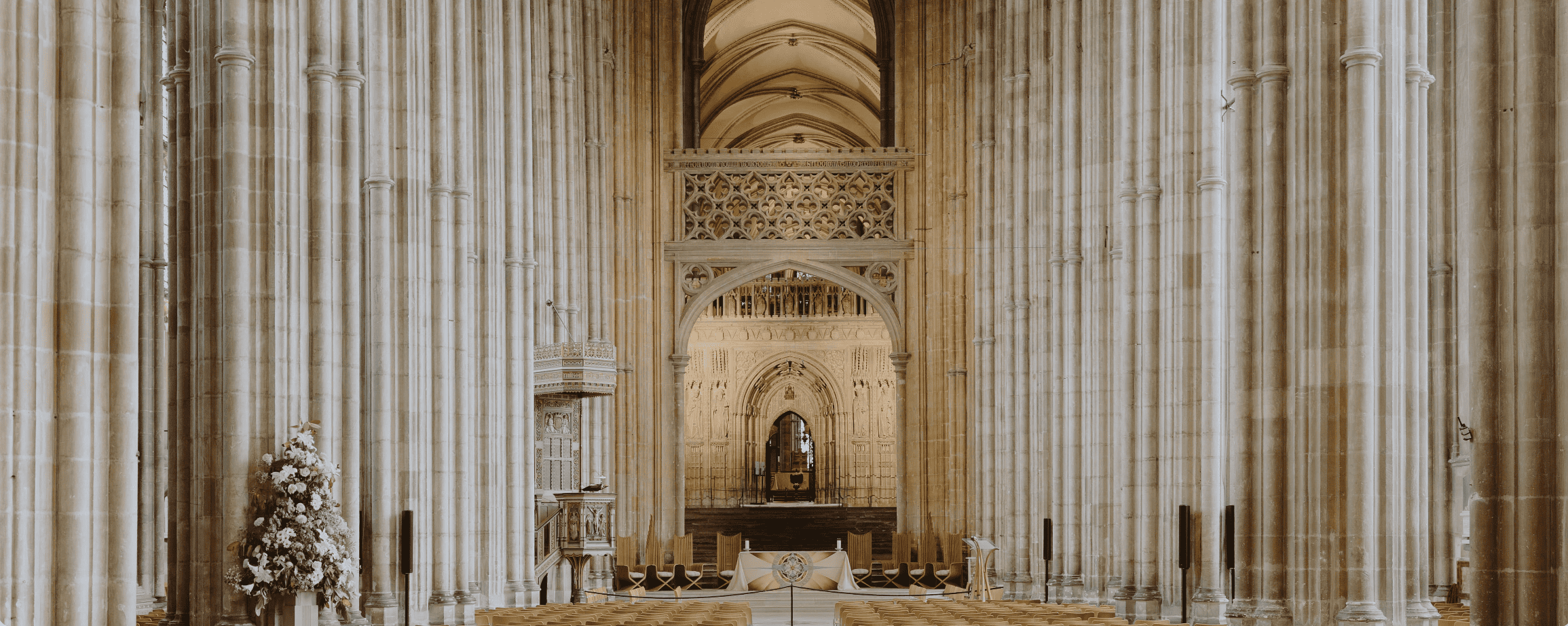
England’s story immortalised in stone
Canterbury Cathedral is one of the world's most revered religious sites. Britain's most ancient cathedral, it is home of saints, centre of pilgrimage, seat of the leader of the Church of England and the symbolic heart of the worldwide Anglican Communion. Its vast complex is one of the most spectacular buildings in Europe.
We worked with the cathedral team on a major, £24.7million transformation project - The Canterbury Journey. The project aimed to safeguard the building, a UNESCO World Heritage Site, increase visitor numbers and broaden appeal. We delivered a new visitor centre, interpretation trail and series of exhibits through the site.
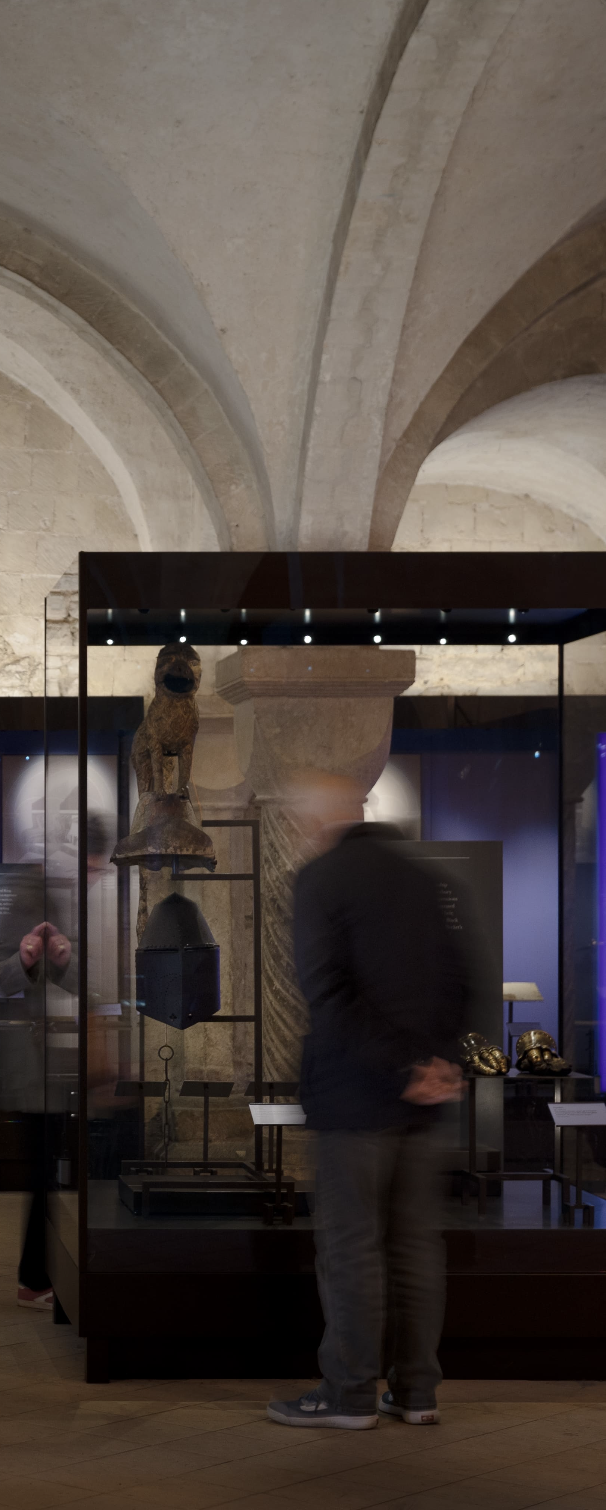
Proposals were developed in close collaboration with the Surveyor to the Fabric, the Cathedral's Environmental Consultant and the Collections Manager, approved throughout by the Dean and Chapter, and designed to be free-standing and reversible - nothing fixed to walls, floors or ceilings the Cathedral has protected for centuries.


Retelling the nation’s greatest stories
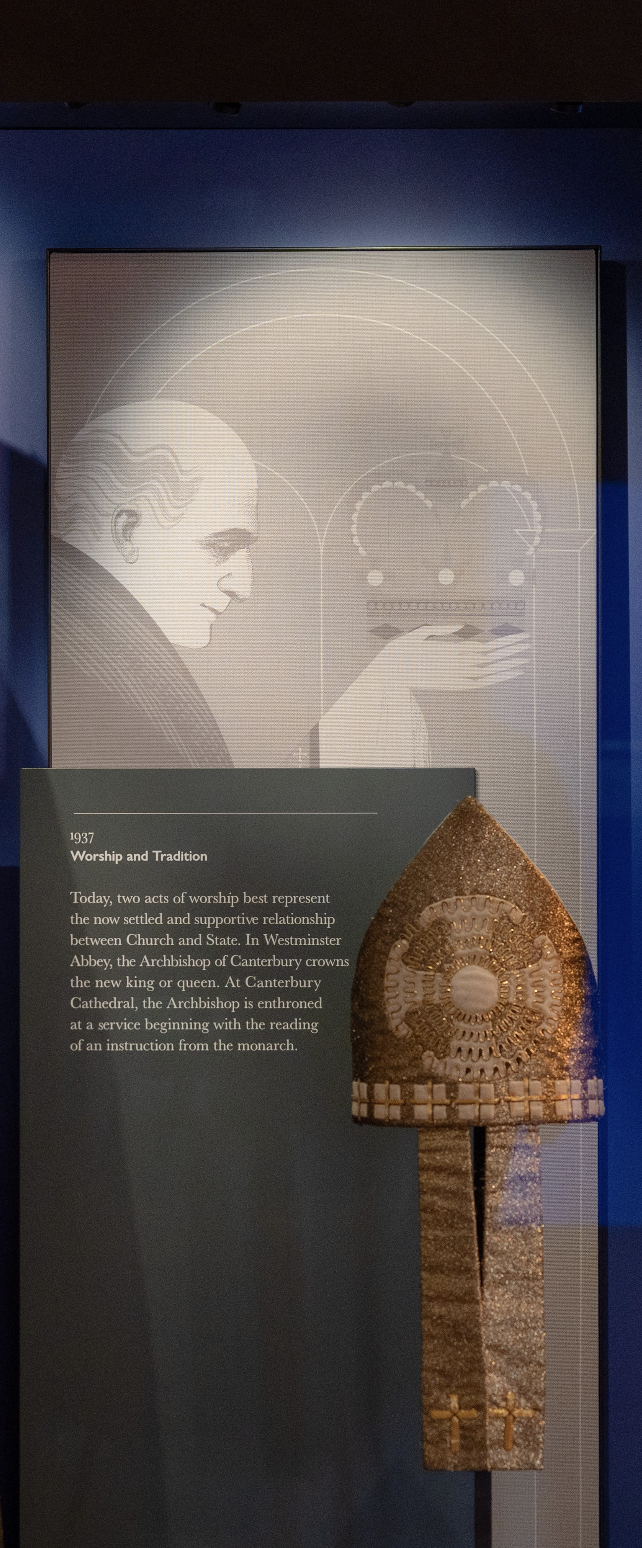
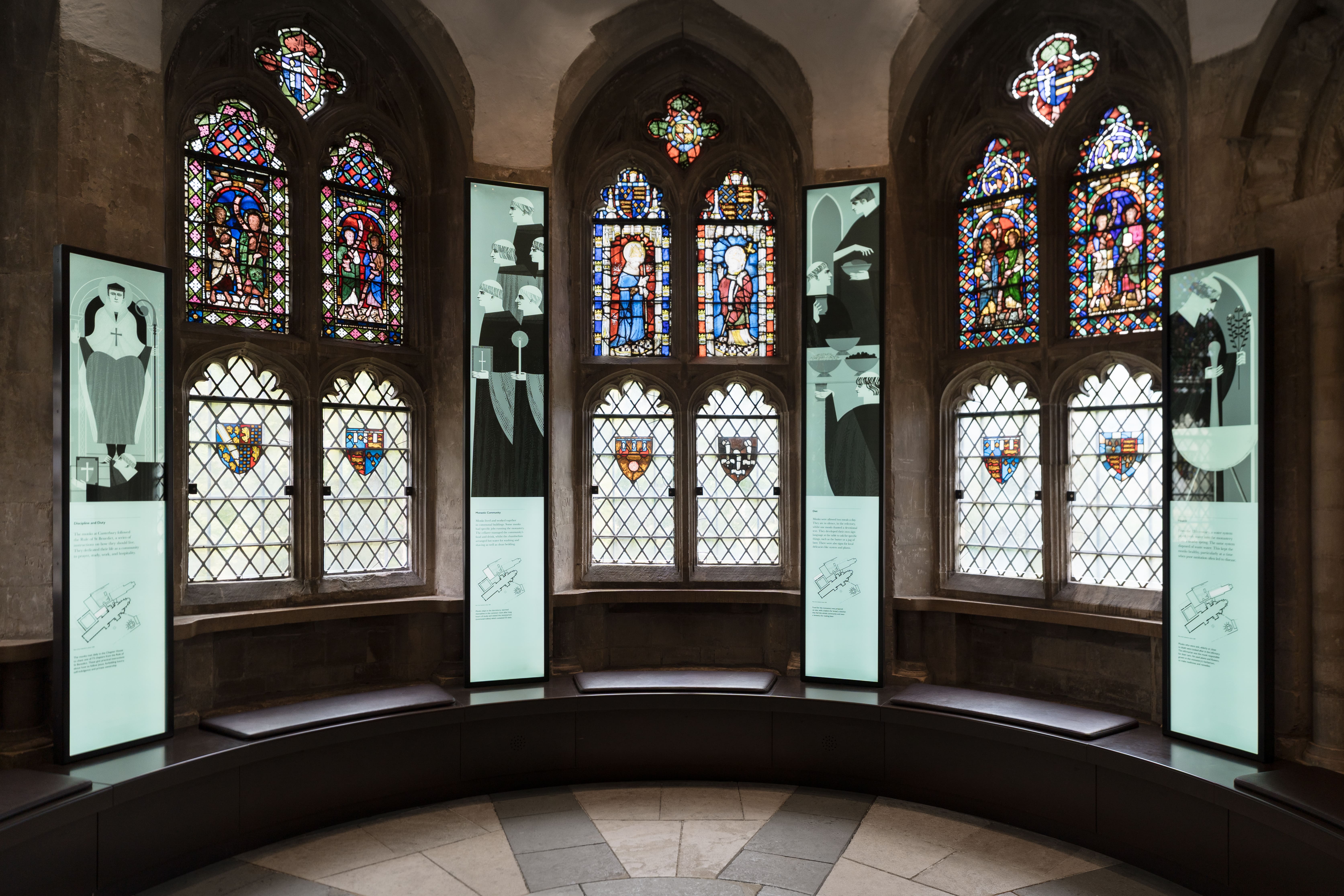
The renewed interpretation trail ties together more than 1,400 years of history, built around four narrative themes - Crafting the Cathedral, Canterbury Pilgrimage, Making History and Cathedral Life. It reveals stories of Anglo-Saxon monks, power struggles between king and country, Chaucer's pilgrims, the great Magna Carta and, most dramatically of all, the murder of Thomas Beckett. Importantly, it features the people who have shaped this most holy of places -from bishops to deans, stonemasons to scaffolders - and marvels at their extraordinary skill and devotion.
A palpable sense of history all around
From the crypt to the precinct, you are led around the most holy parts of the cathedral by a new media guide, replacing the Cathedral's 1990s audio guide with layered content for families, adults, young people and visitors with access needs. We mapped every touch point against the four themes, letting staff switch content off around live services in a building that remains a working place of worship. Unseen treasures feature along the trail. Prized manuscripts, medieval bibles and Anglo-Saxon artefacts provide moments of focus and bring stories to life. Each location was matched to its objects by environmental necessity as much as narrative logic: the exposed Water Tower can only safely display silver and gold church plate, while the stable, windowless Crypt Treasury was chosen for the most fragile manuscripts and textiles. Working closely with architects, conservators and surveyors, we have helped make the space safe and suitable to display some of these priceless objects for the first time.
Partners
AY-PE
Elmwood
Purcell
Images
Museum Studio

An international network over 100 years in the making.
Museum Studio is the world’s biggest studio offering turnkey cultural services for institutions, museums, foundations and brands.